
 Ubud · Celuk · Sukawati
Bali Stone Statue Export from Ubud
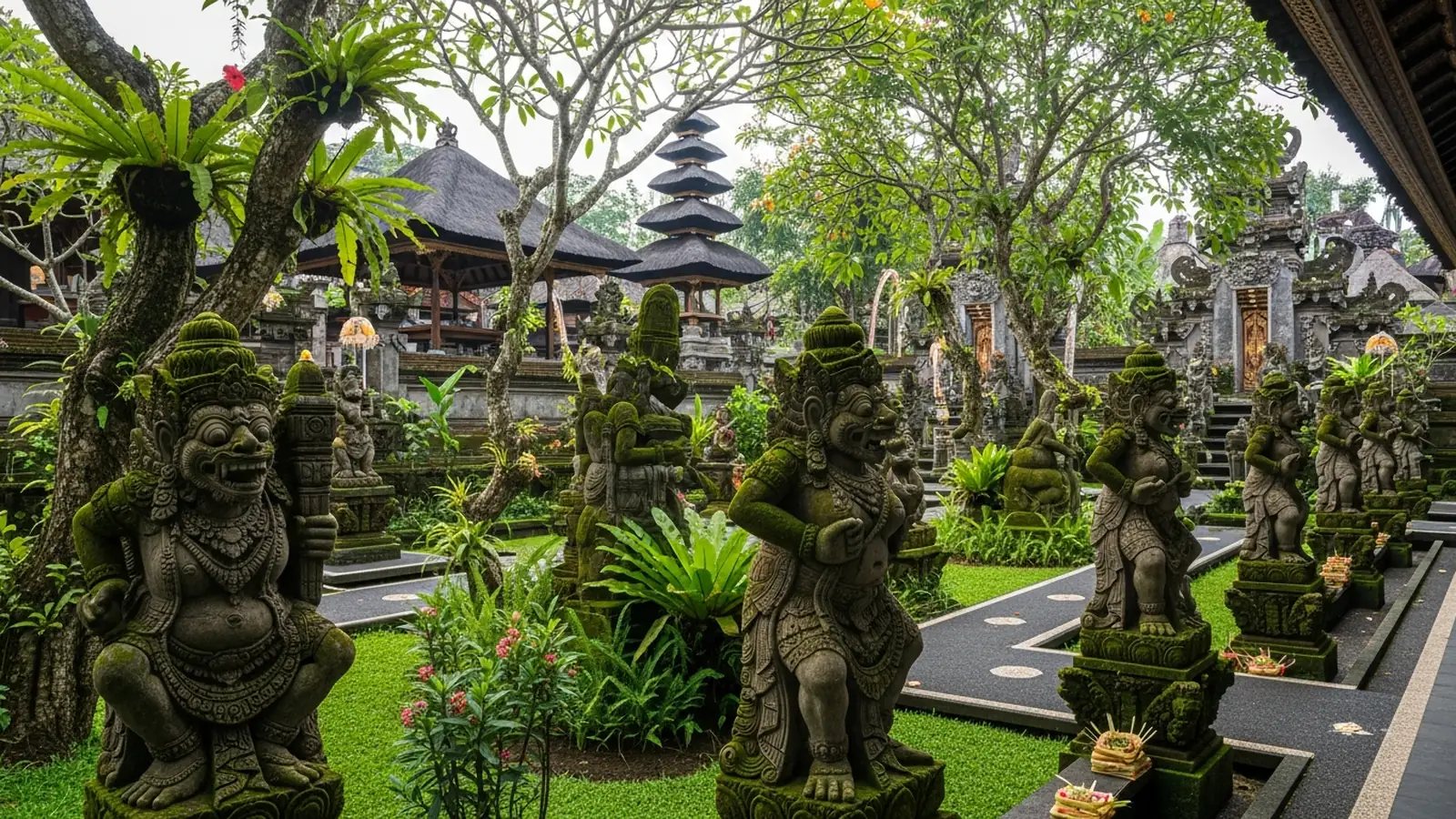
Hand-carved stone sculptures from the heart of Bali. Ideal for landscape architects and garden centers seeking authentic Balinese art. Minimum order quantities and FOB terms available.
What are you sourcing?
Tell us what you need and we'll guide you.
As a B2B buyer, you seek authenticity and quality in hand-carved stone statues. Bali Stone Statue Export meets these needs with precision. Situated in the heart of Indonesia’s stone-carving culture, we connect international buyers to skilled artisans crafting exquisite sculptures from natural stone. Whether adorning a garden or enhancing an interior, our statues embody tradition and artistry.
Artisanal Craftsmanship from Bali’s Heartland
Bali is a renowned hub for stone carving, particularly in villages like Batubulan, Mas, and Singapadu in Gianyar Regency. Artisans here transform natural stones such as sandstone, paras stone, river stone, and greenstone/lava stone into captivating sculptures. These materials, sourced from the rich volcanic landscape, lend durability and aesthetic appeal to each piece. Our statues often depict Hindu and Buddhist figures like Buddha, Ganesha, and Shiva, reflecting the island’s cultural heritage. Guardian statues, standard in Balinese Hindu architecture, are also popular for their symbolic protection. Buyers can explore a diverse range of designs, ensuring each piece fits its intended environment and purpose. For more insights into our artisans and their work, visit our About Us page.
Material Selection and Durability
Choosing the right stone is crucial for both aesthetic and practical reasons. Each type of stone offers unique characteristics. Sandstone and paras stone, while popular, are porous and may weather over time. Buyers often apply sealants to these statues to reduce water absorption and moss growth. In contrast, volcanic greenstone and river stone are preferred in coastal or humid climates due to their durability. These materials withstand weathering better, making them ideal for outdoor installations. Our experts guide buyers in selecting the most suitable material for their specific climate and installation site. For a detailed guide on material selection, see our Material Guide.
Custom Design and Production
Customization is a key service we offer. Balinese stone carvers are adept at creating bespoke designs tailored to client specifications. Whether you require statues of specific deities or abstract forms, our artisans accommodate requests with precision. Workshops like Yuli Yudhistira Stone Carving openly invite custom orders, ensuring your vision is realized. Communication is straightforward, often conducted via WhatsApp or phone, allowing for direct interaction with the artisans. This approach ensures clarity and satisfaction at every stage of the order process. To discuss your custom design ideas, reach out through our Contact page.
Pricing and Export Considerations
Pricing for Bali stone statues varies based on size, material, and design complexity. Indicative wholesale prices for medium statues (60–100 cm) range from USD 80–200 per piece. These figures are derived from a comparison with retail prices, such as USD 295 for a 39-inch statue in Los Angeles. Buyers should confirm current pricing and discuss specific needs with our team. Export requires standard documentation, including commercial invoices and customs declarations. As finished art products, these statues are classified as handicrafts and are generally not subject to raw mineral export restrictions. For comprehensive export guidance, consult our Export Guide.
Shipping and Logistics
The heavy and fragile nature of stone statues necessitates careful shipping. Typically, statues are crated with internal padding and shipped via sea freight, either Less than Container Load (LCL) or Full Container Load (FCL). This method is cost-effective for large orders. Air freight is available but more expensive, suitable for smaller, high-value pieces or urgent deliveries. Our logistics team advises on the best shipping method based on order size and destination. For more information on shipping options, visit our Shipping Guide.
Outdoor Installation and Maintenance
Proper installation and maintenance enhance the longevity of stone statues. Our experts recommend installing and sealing statues during Bali’s dry season (April–October) to prevent immediate water exposure. Porous stones like sandstone may darken over time, so regular maintenance, including cleaning and resealing, is advised. In coastal areas, opting for harder stones like greenstone can mitigate erosion risks. We provide detailed care instructions to ensure your statues remain in excellent condition. For detailed maintenance tips, check our Garden Statues Care Guide.
Market Trends and Applications
Bali stone statues are versatile, enhancing gardens, villas, hotels, and private homes. International retailers, including those in the United States, showcase these statues in various settings. Online platforms like Etsy and eBay highlight their appeal for creating tranquil, mindful spaces. The statues’ intricate designs and textures also make them suitable for interior design, adding character to living rooms and hotel lobbies. As the global demand for authentic, handcrafted decor grows, Bali stone statues continue to captivate buyers seeking unique artistry. Explore our Garden Statues Collection for inspiration.
Understanding Cultural Significance
The cultural significance of Bali stone statues is deeply rooted in the island’s rich history and spiritual traditions. These sculptures are not merely decorative; they carry profound meanings and are often used in religious and ceremonial contexts. Statues of deities such as Ganesha and Shiva are crafted with particular attention to iconography, embodying specific attributes and stories from Hindu mythology. The presence of these statues in gardens or homes is believed to bring spiritual protection and prosperity. Additionally, guardian statues, known as “Dwarapala,” are commonly placed at entrances to ward off negative energies. Understanding these cultural nuances enriches the appreciation of each piece, making them more than just art but symbols of heritage and belief.
Eco-Friendly Practices and Sustainability
In response to growing environmental concerns, many Balinese artisans have adopted eco-friendly practices in their stone carving processes. Sustainable sourcing of materials is prioritized, with efforts to minimize the ecological footprint of quarrying activities. Artisans often use traditional hand tools, reducing reliance on machinery and conserving energy. Furthermore, workshops increasingly focus on waste reduction, recycling stone offcuts into smaller products or decorative elements. By choosing Bali stone statues, buyers support an industry committed to sustainability and the preservation of its natural resources. Our commitment to eco-friendly practices ensures that each piece is crafted responsibly, aligning with global movements towards sustainable art and design.
Ready to enhance your space with authentic Bali stone statues? Our team is here to assist with expert advice and personalized service. Contact us today through our Contact page to discuss your requirements and receive a quote. Let us help you bring the timeless beauty of Balinese artistry to your project.